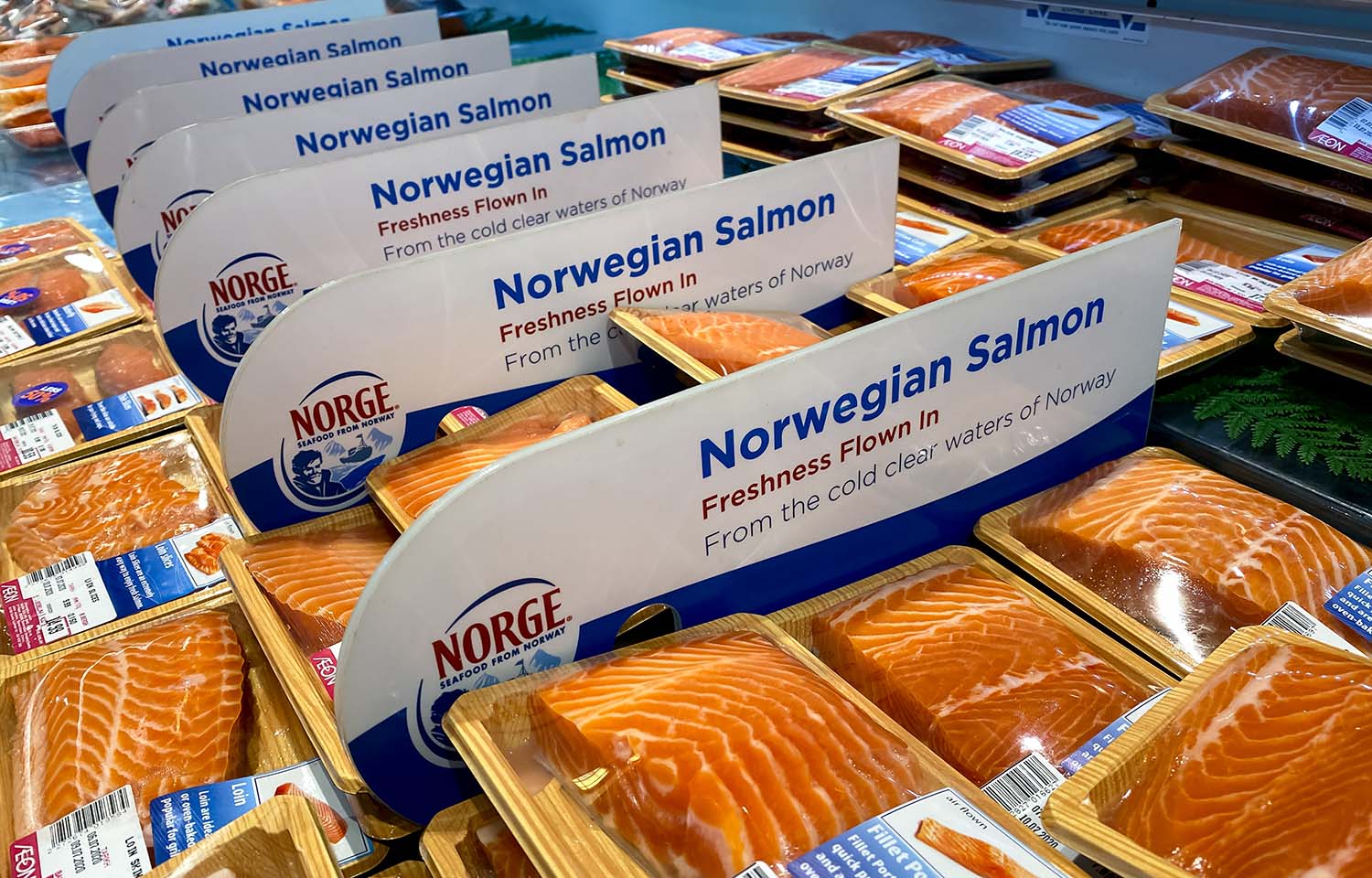
Packs of Norwegian salmon flown in fresh, on display in an export market
Surfact for seafood export

Straight from the fjord to the plate.

Salmon, whitefish and shellfish leaving Norwegian packing halls for markets across Europe, Asia and North America. Emma is IATA certified for air freight and rides inside the box of fish itself, and it goes just as well in the trailers running south to mainland Europe. Always on through truck, ferry, terminal, aircraft and customs, so the chill is documented all the way to the buyer.

IATA certified
Approved for air freight
In the box
Rides with the fish itself
Always on
Through every handover
Ocean plastic
Housing made from recovered plastic
IATA certified

It flies with the fish.

Air freight is where most seafood chains go blind. Emma is certified for it, so the same device that was packed in the styrofoam box in the packing hall is still reporting when the pallet is broken down at the destination airport.

  • IATA certified for air freight
  • Rides inside the box of fish or seafood
  • No hub, gateway or cabling on any leg
  • Reporting resumes automatically wherever there is coverage
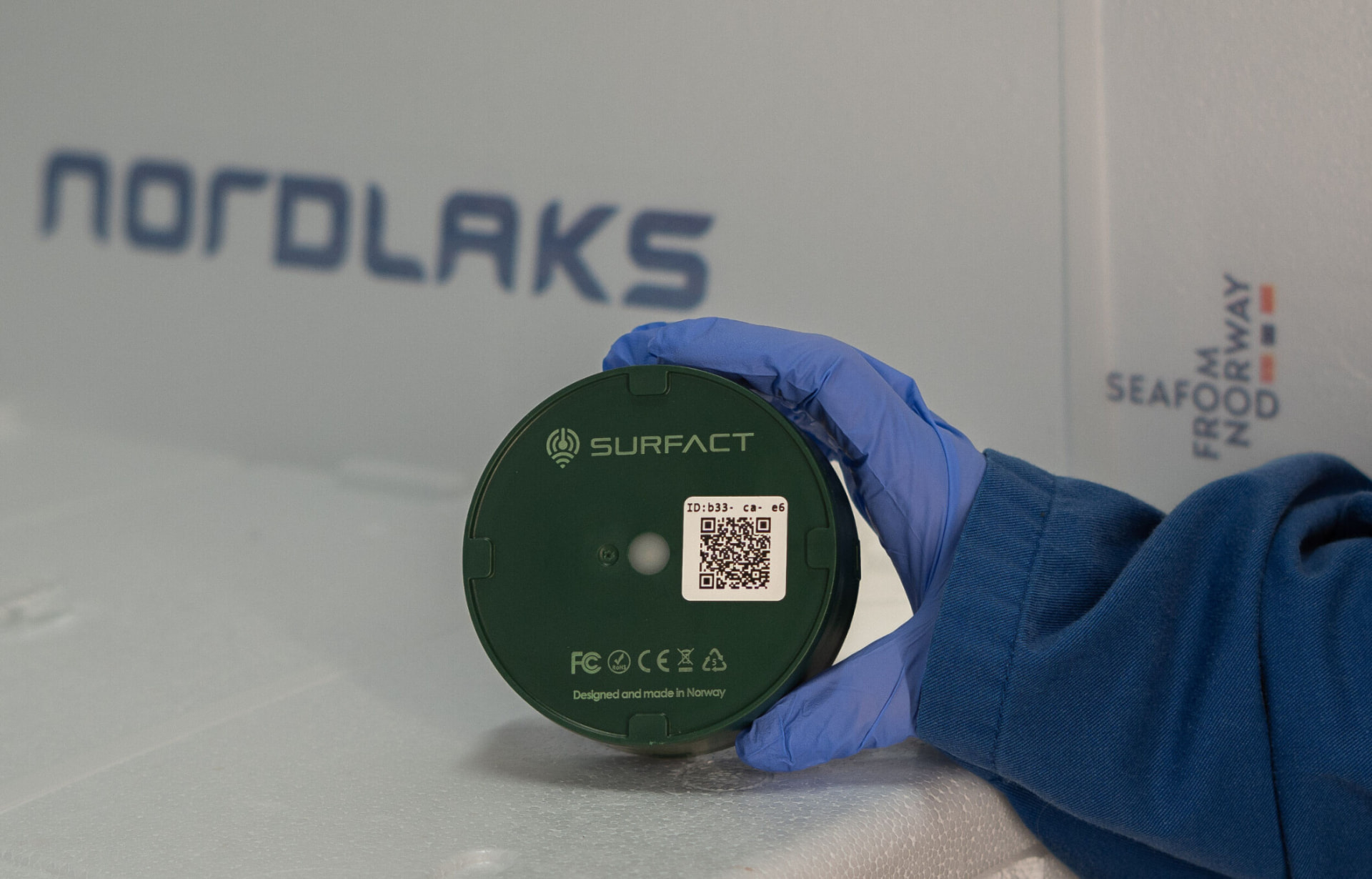
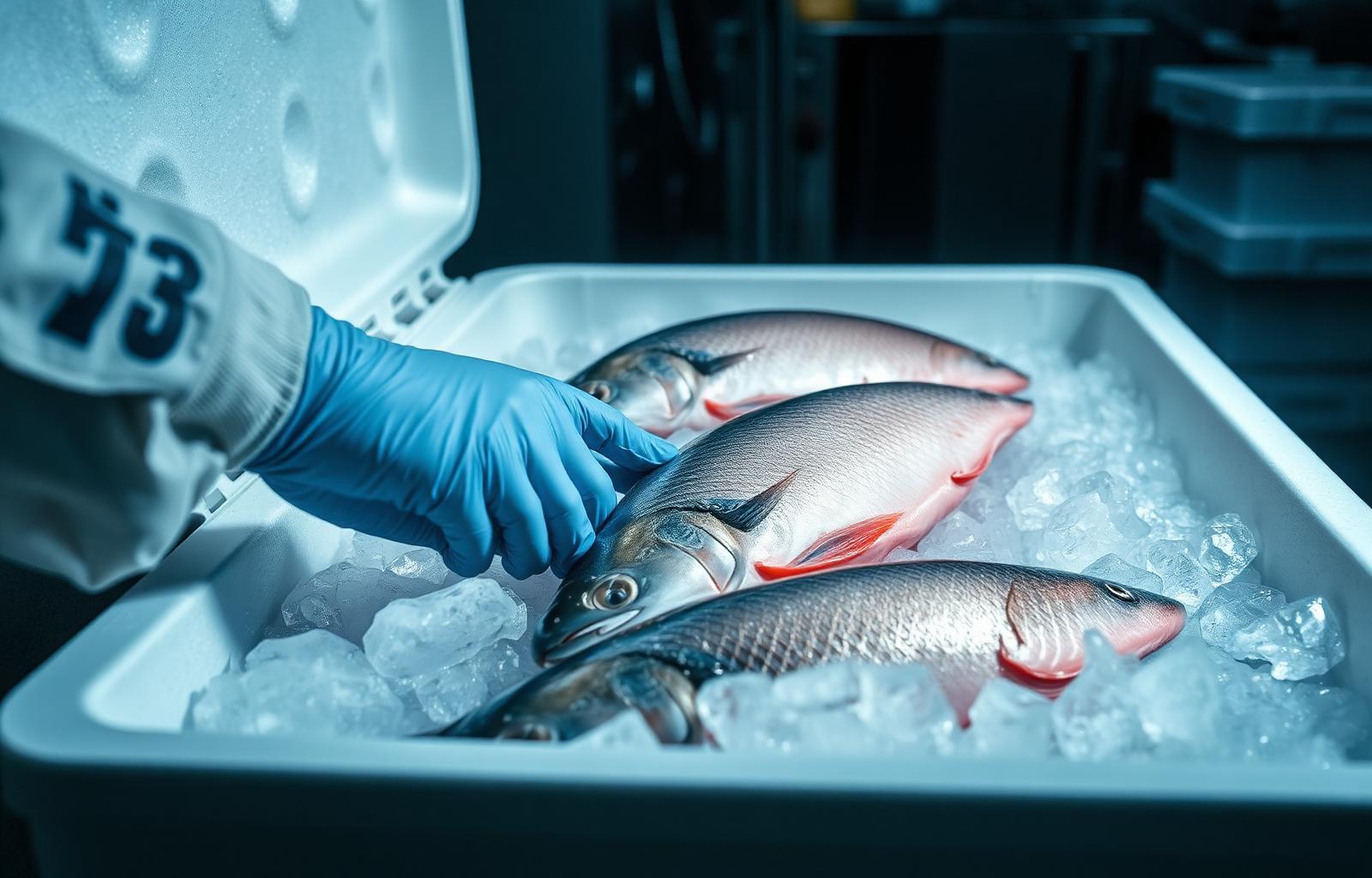
Gloved hand placing the Emma Smart Tracker into a Nordlaks salmon export box
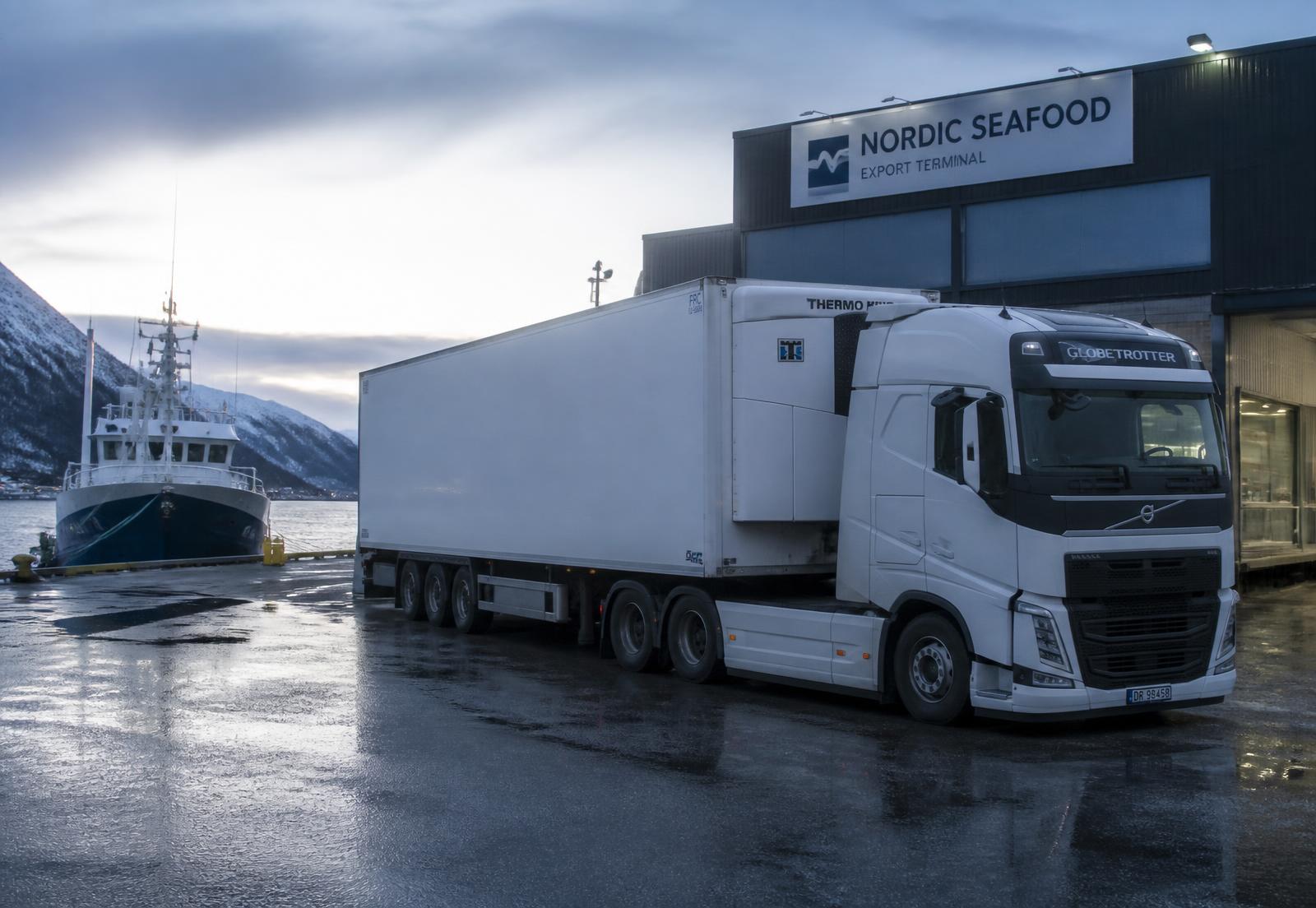
Refrigerated trailer carrying Norwegian seafood south to mainland Europe
Road freight

And it drives south with the trailers.

Most Norwegian seafood still leaves by road. Two or three days down through Sweden, Denmark and Germany, with ferries, borders and driver changes on the way. Emma rides inside the trailer or in the load itself and keeps reporting the whole run, whatever reefer unit is on the front of the box.

  • Rides in the box, on the pallet or fixed in the trailer
  • Independent of the reefer unit, whoever built it
  • Continuous reporting through ferries, borders and driver changes
  • One curve from the Norwegian packing hall to the continental buyer
The problem

The fish is only as fresh as the worst leg of the journey.

A consignment can pass through six hands in forty-eight hours. The traditional answer, a logger read out at arrival, tells you about a failure long after the box has been sold.

Emma reports continuously from inside the box, so an excursion in a terminal or on a hot apron is something you act on that day, not something you discover in a claim.

The chain has too many owners
Packing hall, truck, terminal, aircraft, customs, importer. Every leg has its own handler and its own excuse, and none of them hold the whole record.
Loggers stop at the terminal door
A logger that has to be read out at arrival tells you what went wrong days after the fish has moved on, and only if somebody remembers to download it.
Ice is guesswork
Boxes are packed with more ice than they need, because nobody knows what the load actually experienced. Weight and freight cost go up with it.
Claims become arguments
Without continuous data, a quality dispute at the buyer's end turns into a negotiation about who is to blame rather than what happened.
Nothing to operate

One record, packing hall to auction floor.

No start, no stop, no read-out. The packer places the device, and everyone downstream sees the same shipment at the same time.
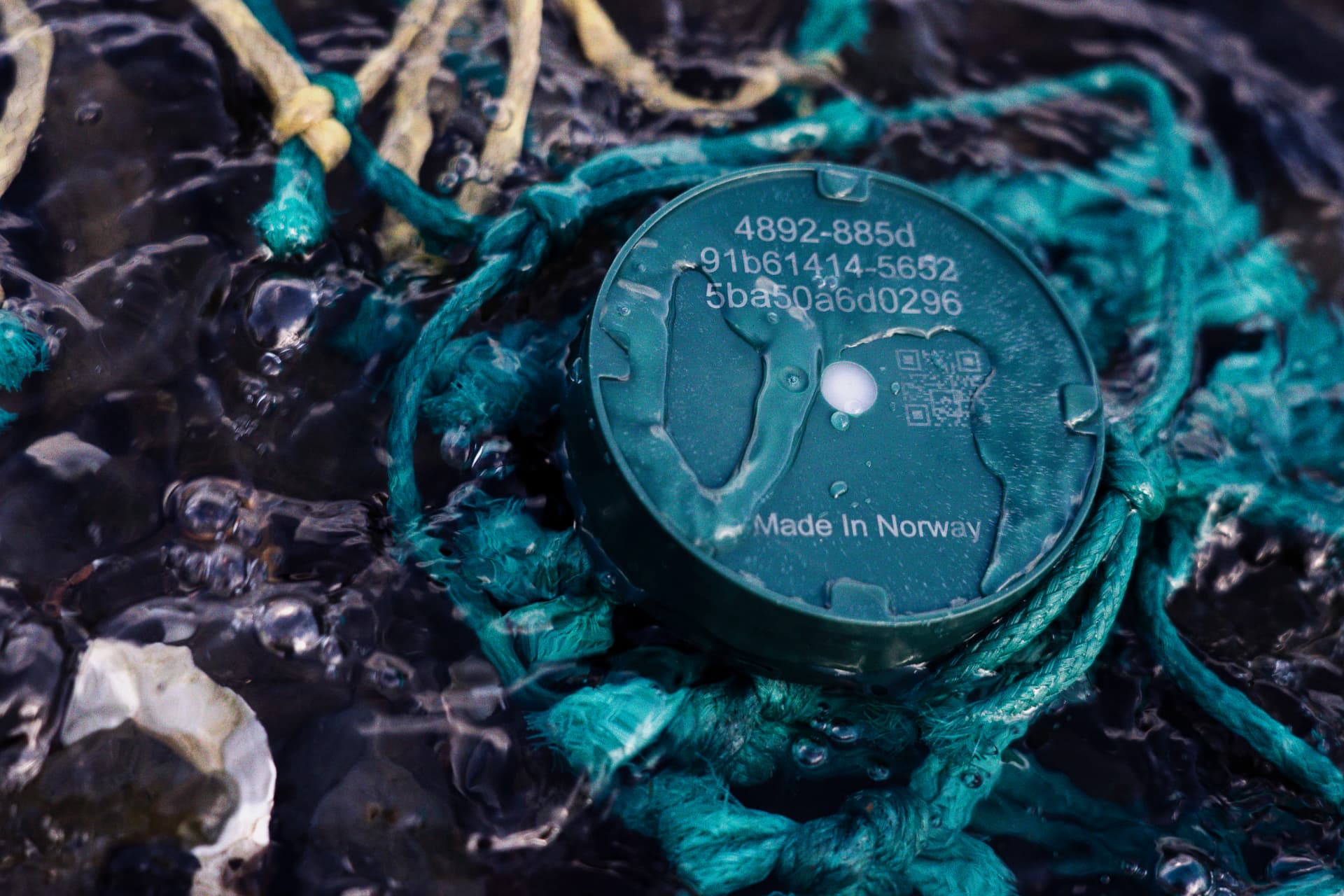
The Emma Smart Tracker against the Norwegian ocean
01
Pack it with the fish
Emma goes straight into the styrofoam box, the tub or onto the pallet in the packing hall. No fixture, no wiring, nothing for the line to slow down for.
02
It works like your cellphone
Straight onto 4G/5G by itself, with no hub, gateway or cables. IATA certified, so it stays with the shipment onto the aircraft.
03
It keeps reporting through handovers
Truck, terminal, air freight, customs, importer. The record does not restart at each leg, so nothing falls into the gap between two carriers.
04
Fjord to plate, documented
The buyer receives fish with a continuous, tamper-evident curve from the packing hall to the market, not a signature on a delivery note.
Optimisation

Ship less ice. Ship better boxes.

Monitoring is not only insurance. Once you can see what every box actually experienced on a real route, you can adjust the volume of ice you pack and choose packaging on evidence instead of habit. Every kilo of ice you remove is a kilo of fish you can send, or a kilo of air freight you no longer pay for.
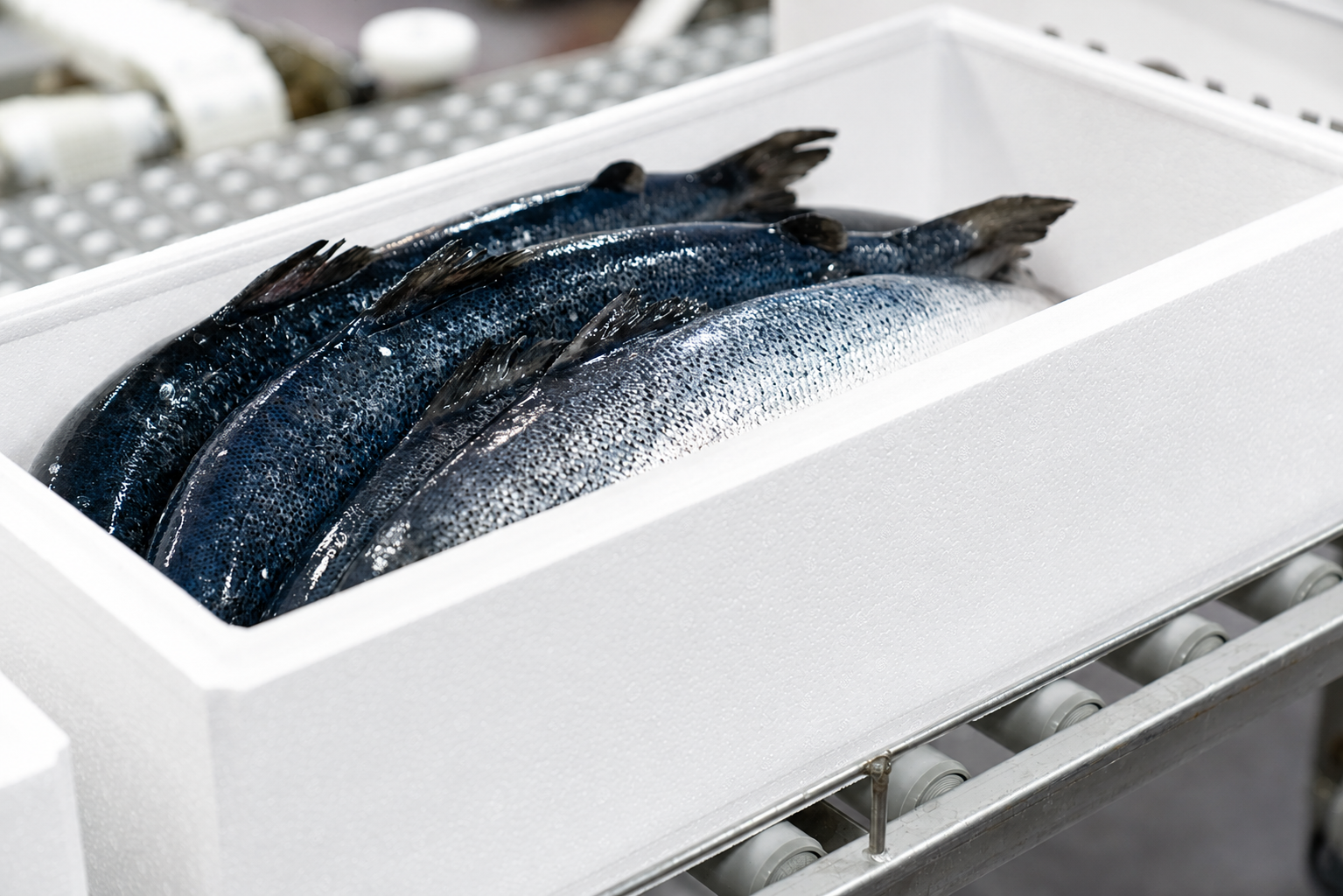

Fresh Norwegian salmon packed in a white styrofoam export box on a roller conveyor
Right-size the ice
When you can see what a box actually experienced across a whole route, you can reduce the ice you pack against worst case. Less water, less weight, lower air-freight cost.
Prove the packaging
Compare box types, insulation and pallet positions on real routes instead of laboratory assumptions, and standardise on the packaging that holds.
Find the weak leg
Terminals, tarmac waits and customs holds show up as flat spots and spikes in the curve, so you fix the leg that costs you quality, not the whole chain.
Extend shelf life
A tighter, better documented chill means the fish arrives with more days of shelf life left, which is the margin the buyer actually pays for.
The Norwegian ocean
Recycled ocean plastic

Cleaning the ocean to protect what comes out of it.

Emma's housing is made from plastic recovered from the sea. Technology built out of what we take back from the ocean, used to take care of the food the ocean gives us. For an industry that sells on the cleanliness of its waters, that is not a detail.

Emma Software

Every consignment, on one screen.

  • Every consignment on one live map, sea, road and air
  • Alerts while the fish can still be re-routed or re-iced
  • Per-box curves attached to the consignment, ready for the buyer
  • Open APIs into ERP, TMS and export documentation
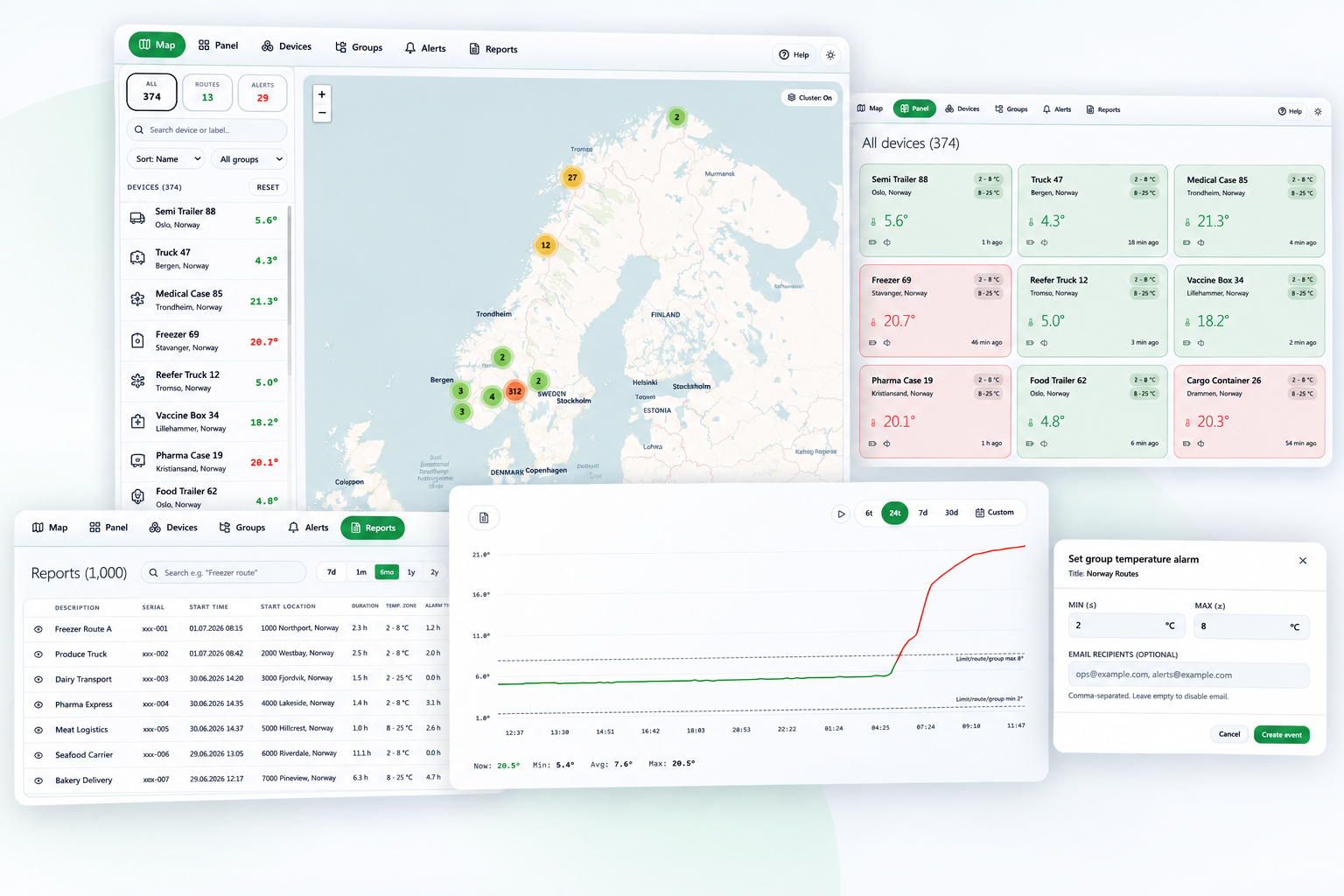
Emma Software shown across desktop, tablet and phone
What it protects

Every box is worth more than it used to be.

Import duties and tariffs are rising in the markets Norwegian seafood sells into. When landed cost goes up, so does the cost of every consignment that arrives out of spec. Taking care of the goods has never mattered more.
Quality under higher stakes
With rising import duties and tariffs, every box that lands is worth more than it was. Taking care of the goods has never mattered more to the bottom line.
Claims settled with data
A continuous curve turns a quality dispute into a factual conversation, and protects you when the temperature loss happened in somebody else's hands.
Premium you can evidence
Norwegian seafood sells on freshness. Documented cold from the fjord to the plate is how that promise stops being marketing and becomes proof.
Lower cost per box
Less ice, better packaging and fewer rejected consignments compound across every shipment you send.
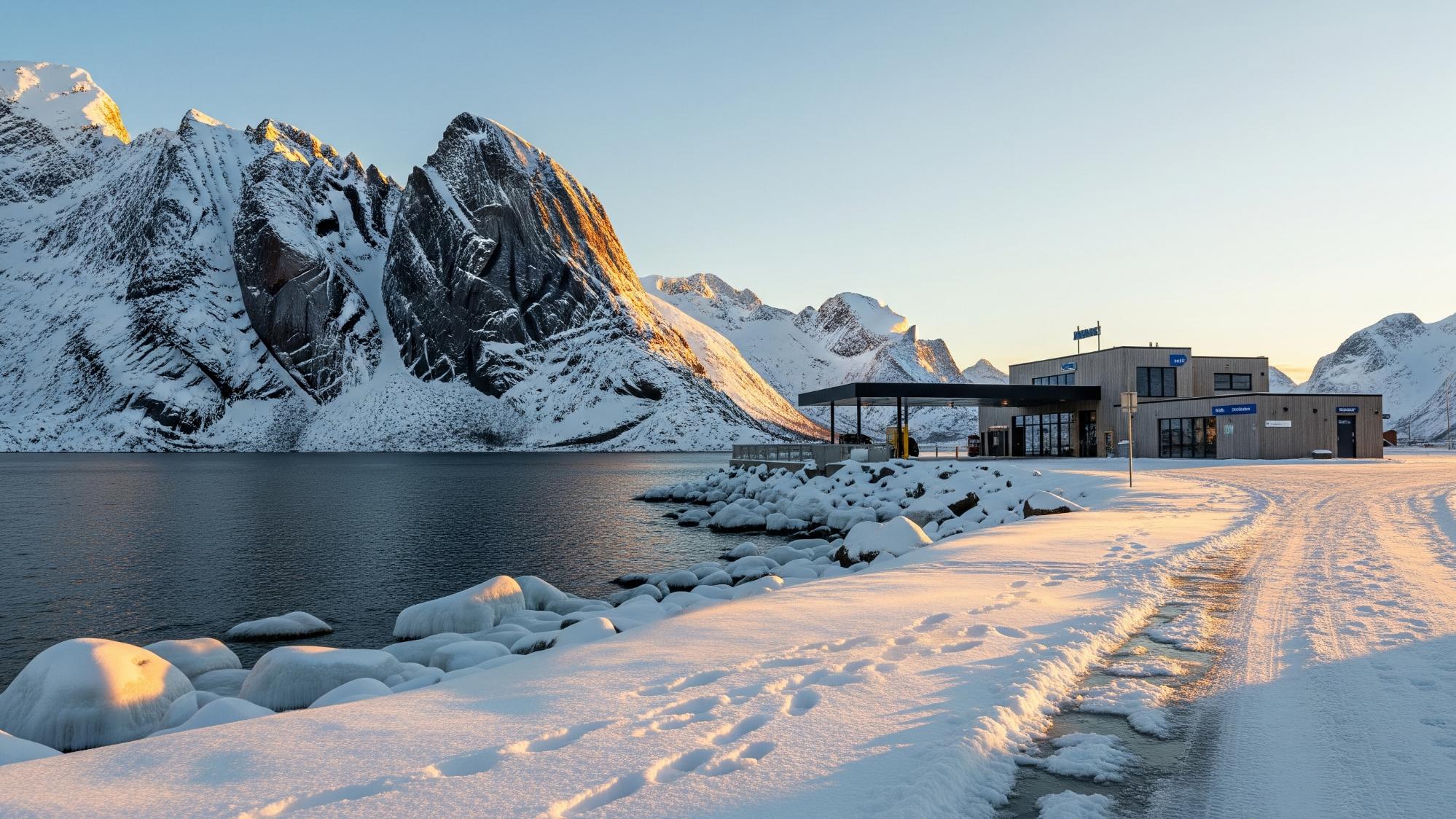
Seafood packing hall on the Norwegian coast preparing salmon for exportArctic seafood export terminal at first lightEmma Smart Tracker beside the Norwegian sea on a seafood export route
The device

Built in Norway for the route the fish takes.

One rugged, self-powered device with a two-year battery, a NIST-traceable calibration certificate, IATA certification for air freight and a housing made from recycled ocean plastic.

Temperature range
–30 to +60 °C
Air freight
IATA certified
Connectivity
4G / 5G, global
Battery life
Up to two years