Pharmacy beside a Norwegian fjord at dawn receiving a medicine delivery
Surfact for pharma transportation

Warehouse to pharmacy, and all the way back.

Emma rides in the medical case from the central warehouse to every pharmacy on the route, and stays with the goods that come back. Nobody presses a button, nobody docks a logger, nobody types a temperature into a spreadsheet. The compliance record writes itself.

Zero
Buttons for the driver
2 yr
Battery, no recharging
ISO 17025
NIST-traceable, no recalibration
In use
By leading Nordic pharmacies

One screen for every route running right now.

Dispatch sees the vans and the cases. Quality sees the exceptions and the audit trail. Same data, one source, nothing re-keyed between them.

  • Exception-only working, quiet routes stay quiet
  • Escalation by product profile, route and time of day
  • Reports per pharmacy, per route or per period, on schedule
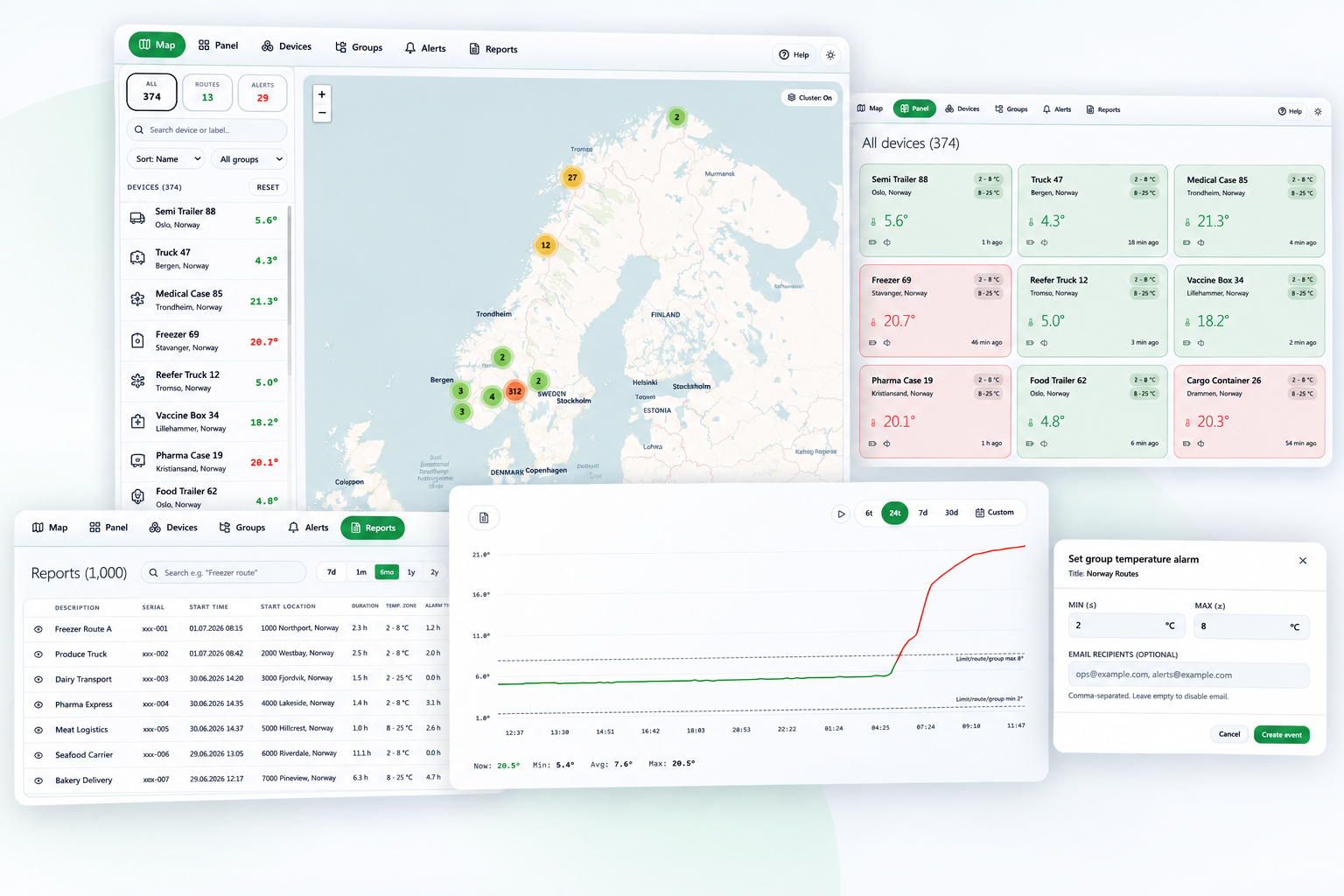
Emma Software shown across desktop, tablet and phone
The problem

Retail distribution breaks where the process depends on people remembering.

A retail lane is not one shipment. It is forty drops before lunch, a van door opening in every street, medical cases going out full and coming back with returns and recalls inside. Every logger that has to be started, stopped, collected and read is another step that gets skipped on a busy morning.

Emma has no interface to get wrong. It wakes with the goods, reports the whole way, and closes the record when the case is back. The driver's job stays driving, and quality stops chasing paper for events that happened three days ago.

Manual handling is the failure mode
Loggers that need starting, stopping or docking produce missing lanes, double records and unusable files. The errors are procedural, not technical.
Returns travel unmonitored
Goods coming back from a pharmacy are cold-chain product too. Without a record for the return leg, saleable stock gets destroyed by default.
Deviation admin eats the QA week
Each event pulls a file together by hand from van printouts, driver statements and pharmacy emails. Multiply that by the number of routes you run.
Write-offs you cannot prove were avoidable
Without continuous data, the cautious call is to discard. Most of what gets discarded on a retail round never actually left specification.
Nothing to operate

Put it in the medical case. That is the whole procedure.

Drop the Emma Smart Tracker into the crate before the lid goes on. No pairing, no buttons, no docking station waiting back at the depot.
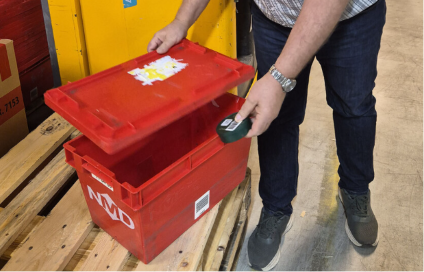
An Emma Smart Tracker being placed into a red pharmacy delivery crate
01
Loaded at the warehouse
Emma is already awake and reporting. Scan the case onto the route and the device is bound to the consignment automatically. No pairing, no start button.
02
Live down the whole route
Continuous 4G/5G reporting of temperature, position, light and shock, through every van door opening, every pharmacy stop, every wait on the street.
03
Warned before the limit
Thresholds are set once per product profile, centrally. The alert goes to the dispatcher and the QP while the van is still on the road, not at end of day.
04
The return leg is covered too
Millions of dollars of pharma goods are written off every month because nobody tracked the temperature of returns. Emma keeps reporting the whole way home, so that stock can be proven and resold.
The return leg

Returned stock is worth what you can prove about it.

Wrong-order returns, overstock, recalls, medical cases coming back from a pharmacy that lost power overnight. If the return leg is monitored, the decision is a data question instead of a judgement call, and most of it goes back into saleable stock.
Unbroken chain
The same device covers outbound and return, so there is no gap in the record where the goods sat at the pharmacy.
Disposition on arrival
Goods-in sees the full return history before the cage is unpacked. Restock or quarantine is decided in seconds, not after a week of emails.
Recall traceability
Every returned case is tied to a route, a stop and a time window, so a recall sweep is a query rather than an investigation.
Assets come home
Medical cases, cages and the devices themselves are located, so the reusable kit stops walking out of the network.
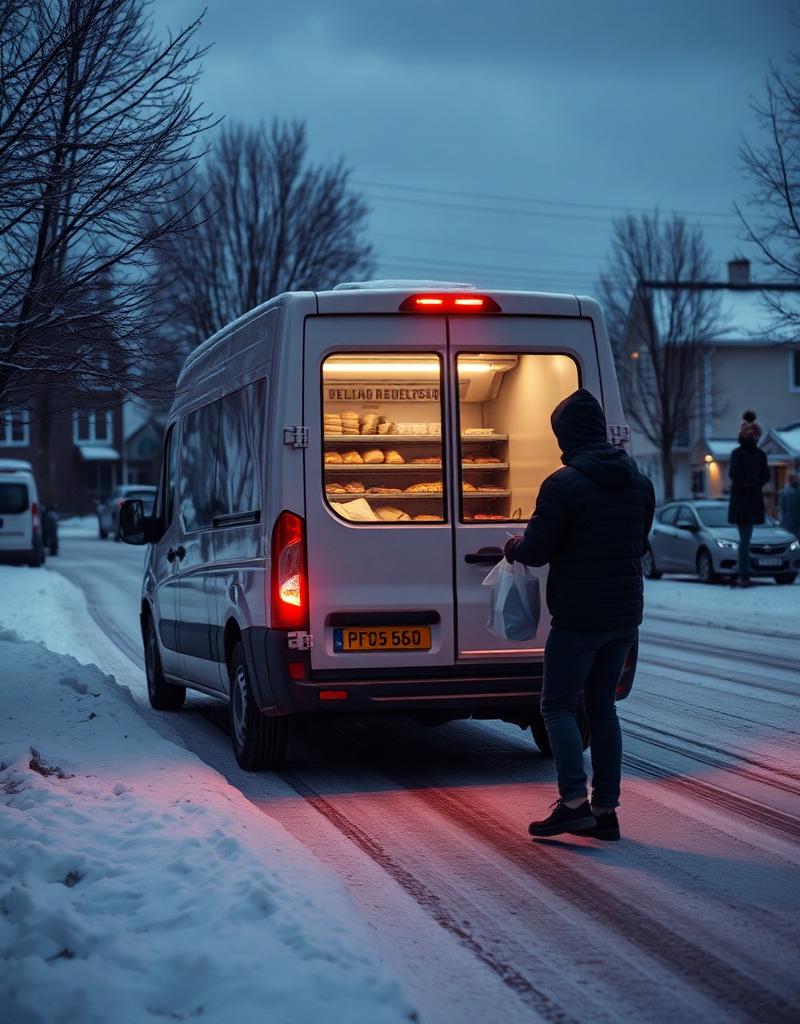
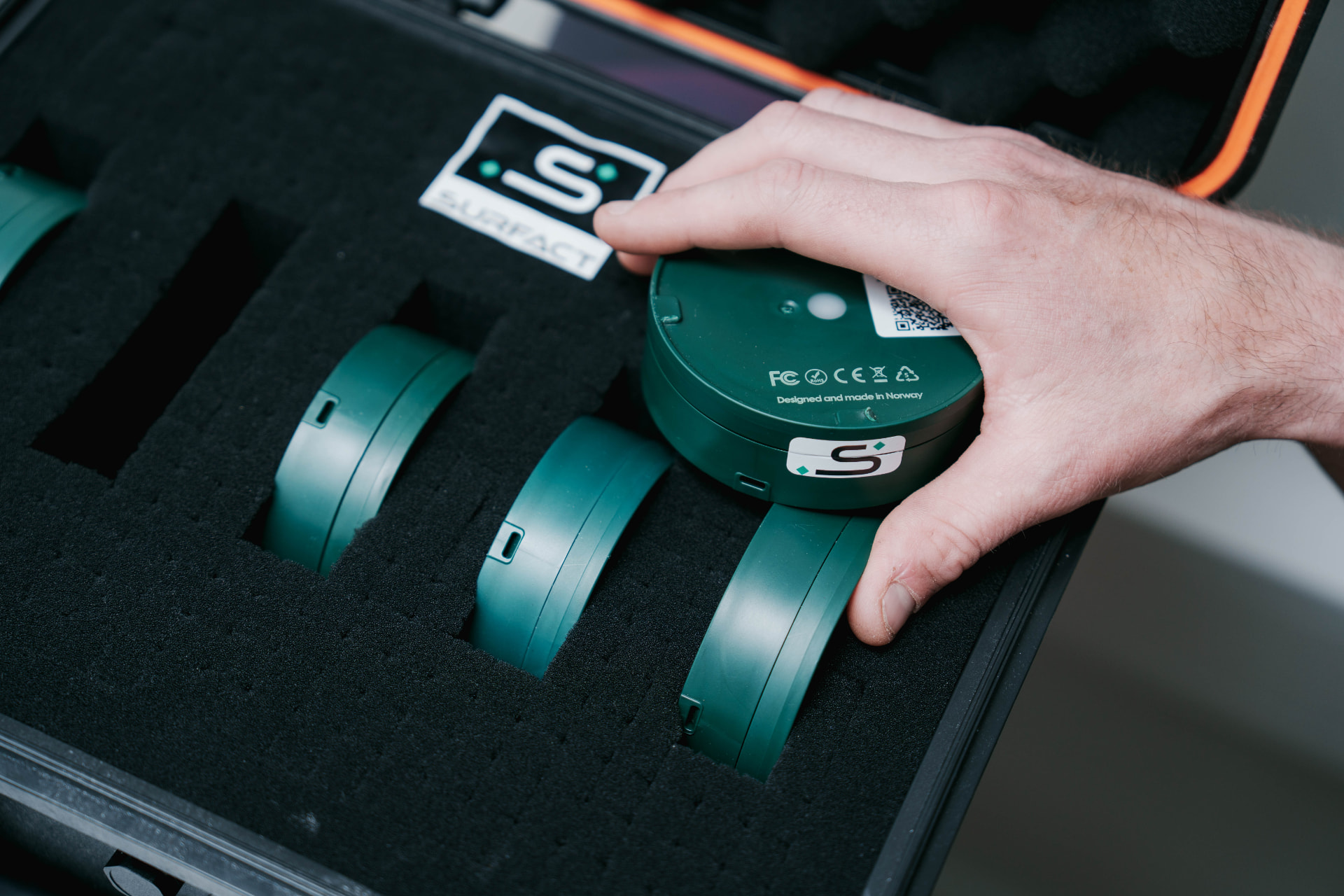
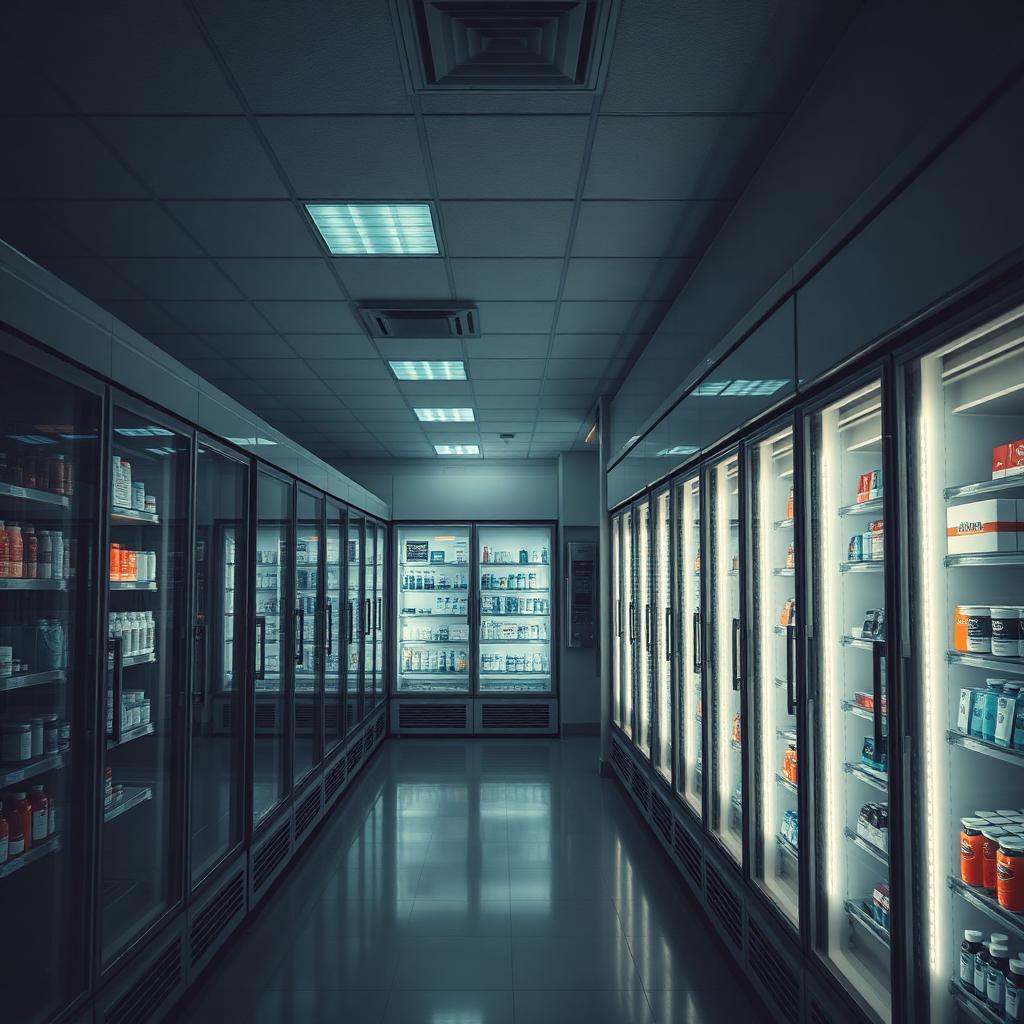
The Emma Smart Tracker held beside a medical casePharmacy cold store holding temperature-sensitive medicines at dawnDelivery van carrying pharmaceuticals on a Norwegian pharmacy route
Automated compliance

The GDP file is a by-product of the delivery, not a job afterwards.

Continuous data, fixed thresholds and traceable calibration mean the record is complete the moment the route closes. Nobody assembles it, so nobody can assemble it wrong.

GDP-ready, hands off
Continuous monitoring, alarm handling and retained records aligned to EU GDP expectations for medicinal products in transit, generated per route without a manual step.
ISO 17025, no recalibration
Every unit ships with a NIST-traceable calibration certificate and holds accuracy for the life of the device. No annual send-back, no calibration pool to manage.
Records you can defend
Time-stamped, tamper-evident history with a full user and alarm audit trail. An inspector's question is answered from one system, in front of them.
Built in Norway, tamper free
Designed, engineered and built in Norway, with a sealed, tamper free housing made from recycled ocean plastic. No buttons to press, nothing to reset, built for a long service life.
Temperature range
–30 to +60 °C
Reporting interval
Configurable
Connectivity
4G / 5G, global
Sensors
Temp, GPS, light, shock
Security and compliance documentation

Quality and IT teams reviewing Surfact for pharmaceutical distribution can find our security posture, data handling and certification evidence in the Surfact Trust Center.

Visit the Surfact Trust Center →