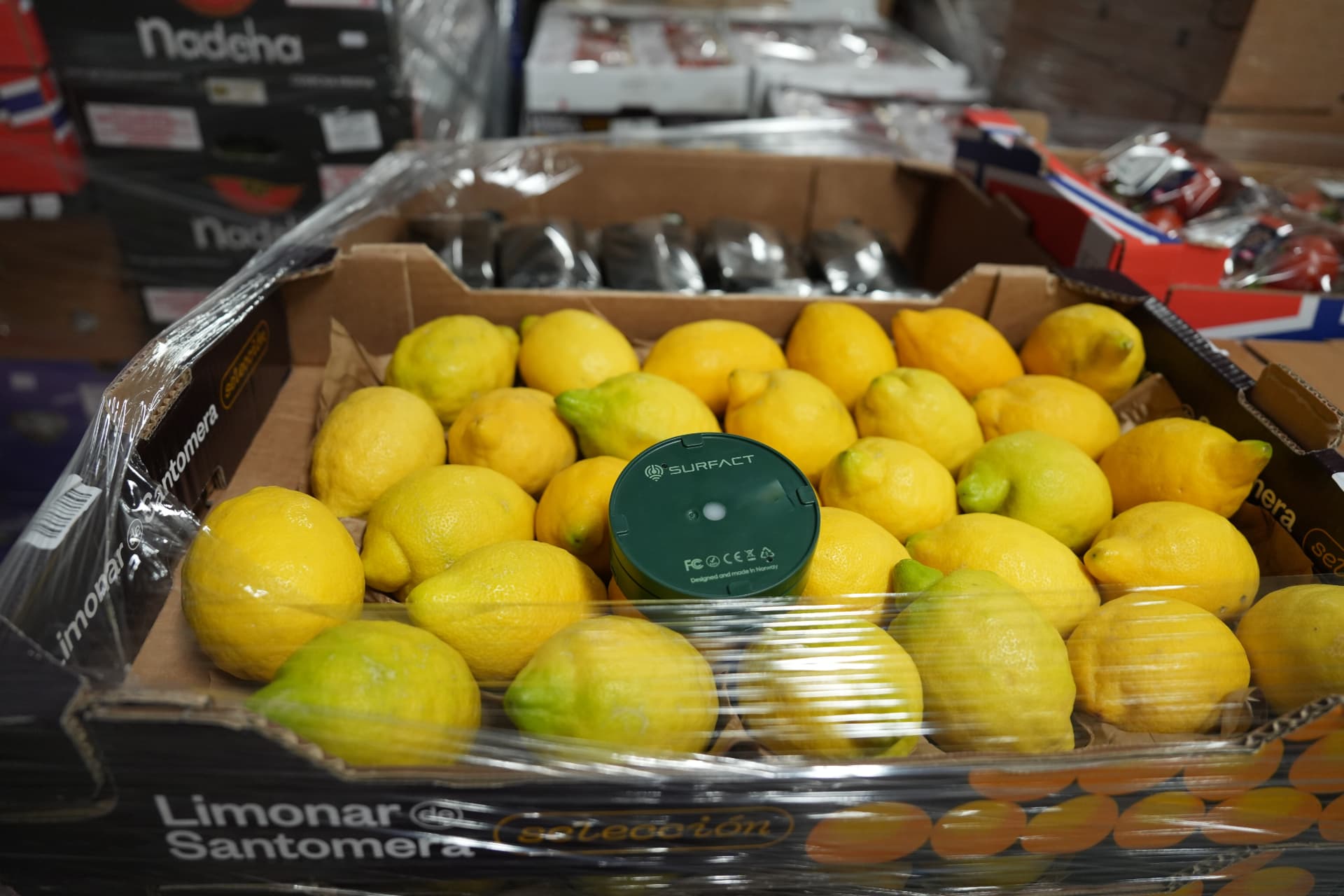
Every year, roughly a third of all the food and medicine the world produces is lost or wasted. A large share of that loss happens for one avoidable reason: the cold chain broke somewhere, and nobody knew until it was too late. A vaccine sat on a warehouse dock two degrees too warm. A container of seafood crossed an ocean while a failing compressor went unnoticed. By the time the shipment arrived the damage was already done, and invisible.
Cold chain temperature monitoring exists to close that blind spot. This guide explains what it is, how it works, the technology behind it, and how to choose a monitoring partner that protects your product without adding to the waste problem it is meant to solve. Whether you move pharmaceuticals, fresh food or any other perishable cargo, this is the foundation you need to make your cargo talk, before it spoils in silence.
What is cold chain temperature monitoring?
Cold chain temperature monitoring is the continuous measurement and recording of temperature, and often humidity, light, shock and location, across every stage of a temperature-controlled supply chain: from the moment a product is manufactured to the moment it reaches its end user.
The cold chain is the unbroken sequence of refrigerated production, storage and transport that keeps sensitive goods within a safe temperature range. Monitoring is what proves that chain was never broken. Instead of relying on a single reading at pickup and another at delivery, modern monitoring captures the whole journey in between: the hours in transit, the transfers between trucks and warehouses, the customs delays, where most excursions actually happen.
Done well, it turns temperature from something you hope stayed right into something you can prove stayed right.
How does cold chain monitoring work?
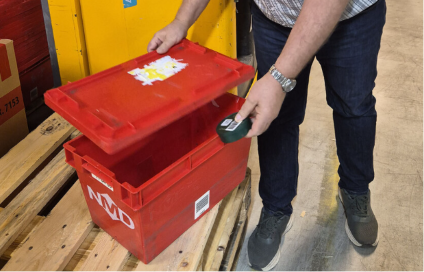
At its simplest, a monitoring system does three things: it senses, it records, and it reports.
A sensor placed with the cargo measures temperature at regular intervals. Those readings are logged and, with connected devices, transmitted to a central dashboard in real time over cellular or other networks. Software compares each reading against the safe range you have defined for that product. The instant a value drifts outside those limits the system raises an alert, so the people responsible can act while the shipment is still recoverable.
That last part is the difference between old and new. A traditional data logger tells you what went wrong after you open the box. A connected, real-time system tells you what is going wrong while you can still reroute the truck, move the pallet or fix the failing unit. The goal is not just a record for compliance, it is the chance to intervene before good product becomes waste.
A sensor with the cargo reads conditions on a fixed interval.
Readings are stored onboard so a network gap is not a hole in the record.
Data reaches a dashboard live, and breaches raise an alert immediately.
When are temperature monitors used?
Temperature-sensitive goods are exposed to risk at every handoff, so monitoring spans the entire journey. There are three broad stages where it matters most.
During manufacturing and handling, controlled temperatures protect quality and safety at the source. Monitoring here catches problems in production before a product ever ships.
The highest-risk stage. Goods travel long distances, change hands between carriers, cross borders, and sit in yards and on tarmacs. In-transit monitoring, ideally live, is what surfaces excursions that would otherwise go undetected until arrival.
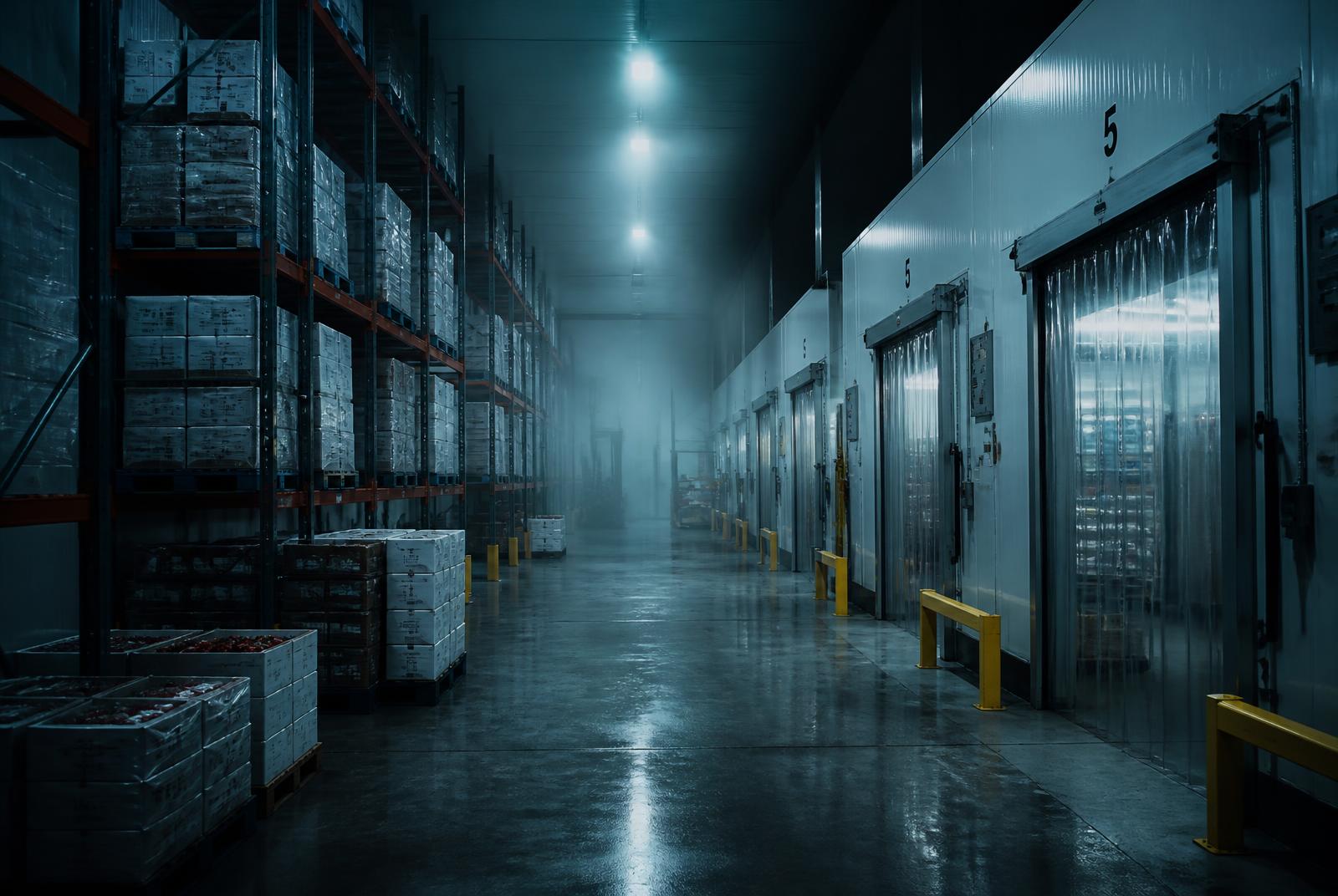
Warehouses, distribution centres, pharmacy fridges and retail display cases all hold product for extended periods. A single overnight equipment failure can ruin an entire room of inventory.
The core components of a monitoring system
A complete monitoring system is more than a sensor. The pieces work together to move from raw data to confident action.
The foundation. Devices that measure conditions where your product actually lives, whether that is inside a carton, a pallet, a container or a cold room.
Watch the storage environment itself, flagging a propped-open freezer door or a room drifting out of range before product is affected.
Notify the right people by app, email or SMS the moment a reading breaches a threshold, turning passive logging into an active early-warning system.
Bring every shipment and location into one live view, so you see the health of your entire cold chain at a glance rather than chasing spreadsheets.
Connect an alert to a response, so a temperature breach triggers a defined next step rather than a scramble.
The tamper-evident, time-stamped record that regulators, auditors and customers expect as proof of compliance.
Turn months of readings into patterns: the lane that always runs warm, the carrier that struggles in summer, the packaging that underperforms.
What sensors are used in cold chain monitoring?
Not every shipment needs the same tool. The right choice depends on value, distance, regulatory stakes, and how quickly you need to know something is wrong.
Record temperature at set intervals and store it on the device. Reliable and inexpensive, but a rear-view mirror: you only see the data once the shipment arrives and someone downloads it.
Transmit readings continuously over cellular or IoT networks to a live dashboard. This is where cold chain monitoring has moved, because it converts a post-mortem into a chance to intervene. Many also track location, humidity, light and shock.
Spot checks of individual products or storage units. Useful for manual verification and incoming-goods inspection, but they capture a single moment, not a journey.
Chemical time-temperature indicators or strip recorders give a low-cost, at-a-glance signal that a threshold was breached. Common on lower-value or last-mile shipments where a simple pass or fail is enough.
Single-use devices generate a great deal of electronic and plastic waste at scale. Reusable, returnable hardware, and takeback programmes that recover and refurbish devices, meaningfully cut both cost and environmental impact over time. It is a factor worth weighing when you choose what goes in the box.
Why cold chain temperature monitoring matters
Three forces make monitoring non-negotiable for anyone moving perishable goods.
Pharmaceutical distribution follows Good Distribution Practice and, in the US, FDA requirements. Vaccines follow WHO and national immunisation standards. Food safety is governed by HACCP and FSMA. Every one of these expects documented proof that products stayed within range.
A compromised vaccine can fail silently and put patients at risk. Spoiled food can cause illness. Monitoring protects the people at the end of the chain, and the brand reputation of everyone along it.
When a shipment spoils you do not just lose the product, you lose all the water, energy, packaging and transport emissions embedded in making and moving it. Preventing a single spoiled container avoids far more carbon than most efficiency tweaks ever will.
The sustainability problem the cold chain does not talk about
Here is the uncomfortable irony. The technology we use to reduce spoilage often creates a waste problem of its own. Millions of single-use tracking devices, plastic housings, batteries and electronics, are shipped once and thrown away. The tool meant to fight waste becomes a source of it.
This is the problem Surfact was built to solve. We design, engineer and manufacture our temperature monitoring hardware in Norway from recycled ocean plastic, turning material that was polluting the sea into devices that protect the world's food and medicine. It is the same principle applied at both ends of the chain: waste, prevented. Choosing monitoring hardware should not mean choosing between protecting your product and protecting the planet. It can, and should, do both.

Industries that rely on cold chain monitoring

Vaccines, biologics, insulin and many medications degrade outside narrow temperature bands. Monitoring is a patient-safety and regulatory necessity, not a nice-to-have. Cell and gene therapies have only raised the stakes.
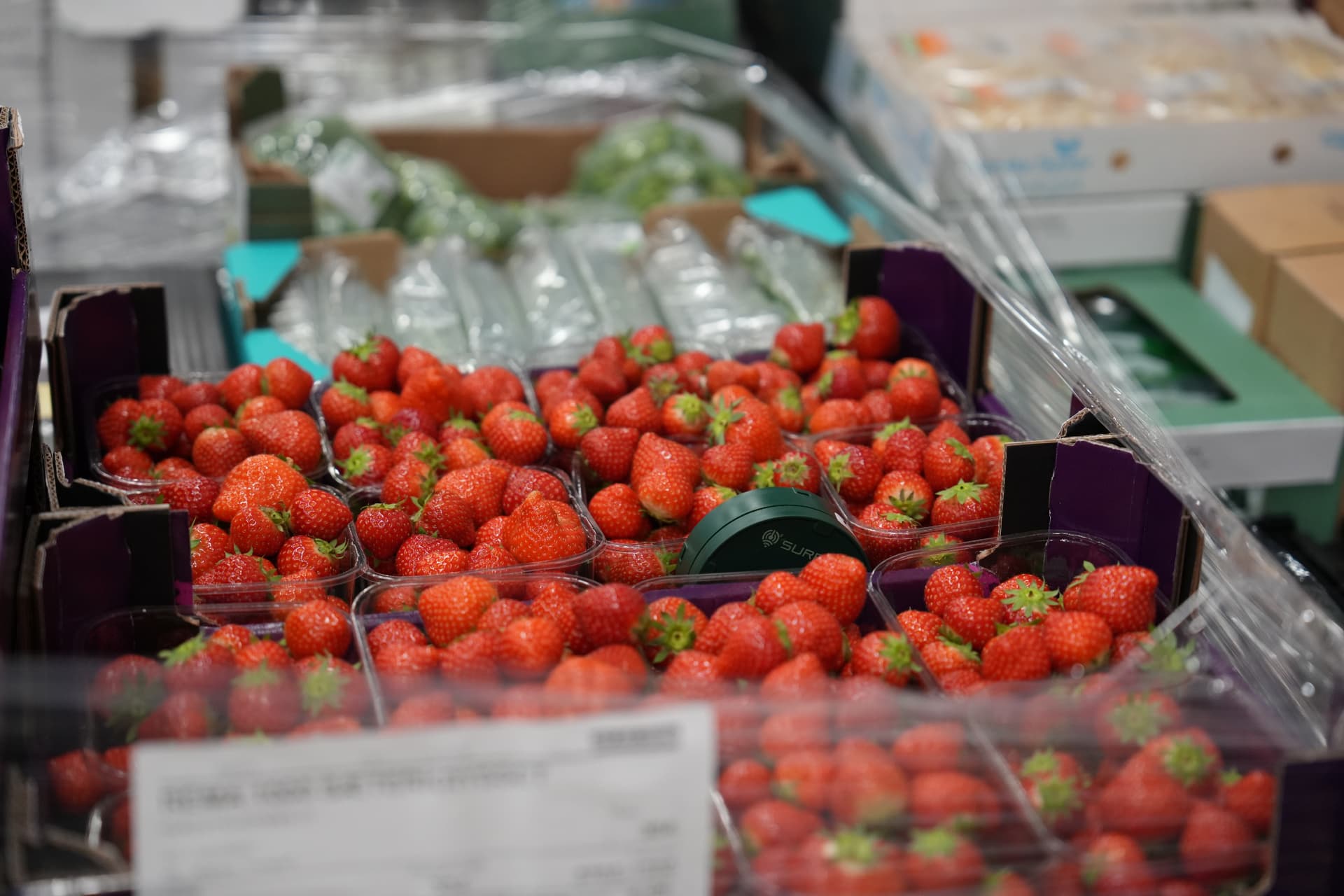
Fresh produce, seafood, dairy, meat and frozen goods all depend on an unbroken cold chain from farm to shelf. Monitoring protects both safety and shelf life, and directly attacks the volume of food lost in transit and storage each year.
Chemicals, cosmetics, floriculture and specialty logistics increasingly rely on the same tools. Any product with a temperature spec and a long journey benefits from being able to prove, and protect, its condition.
How to choose a cold chain monitoring partner
The hardware matters, but the partner behind it matters more. A few things to weigh.
Can you see and respond to problems in transit, or only review them afterward? For high-value cargo, live visibility is the difference between a save and a loss.
An open API that connects monitoring data to your TMS, ERP or quality platform. Data trapped in a separate silo creates work; data that flows into your existing tools creates leverage.
Can the partner support your routes today and grow with you, across regions, carriers and international logistics, without re-engineering everything?
Does the platform produce the audit-ready records your regulators expect, in the formats they accept?
Does the hardware add to the waste stream or reduce it? Reusable, recycled and returnable options protect your budget and your environmental commitments at once.
Cold chain is unforgiving and specialised. A partner who understands your industry's temperature profiles, regulations and failure modes will save you expensive lessons.
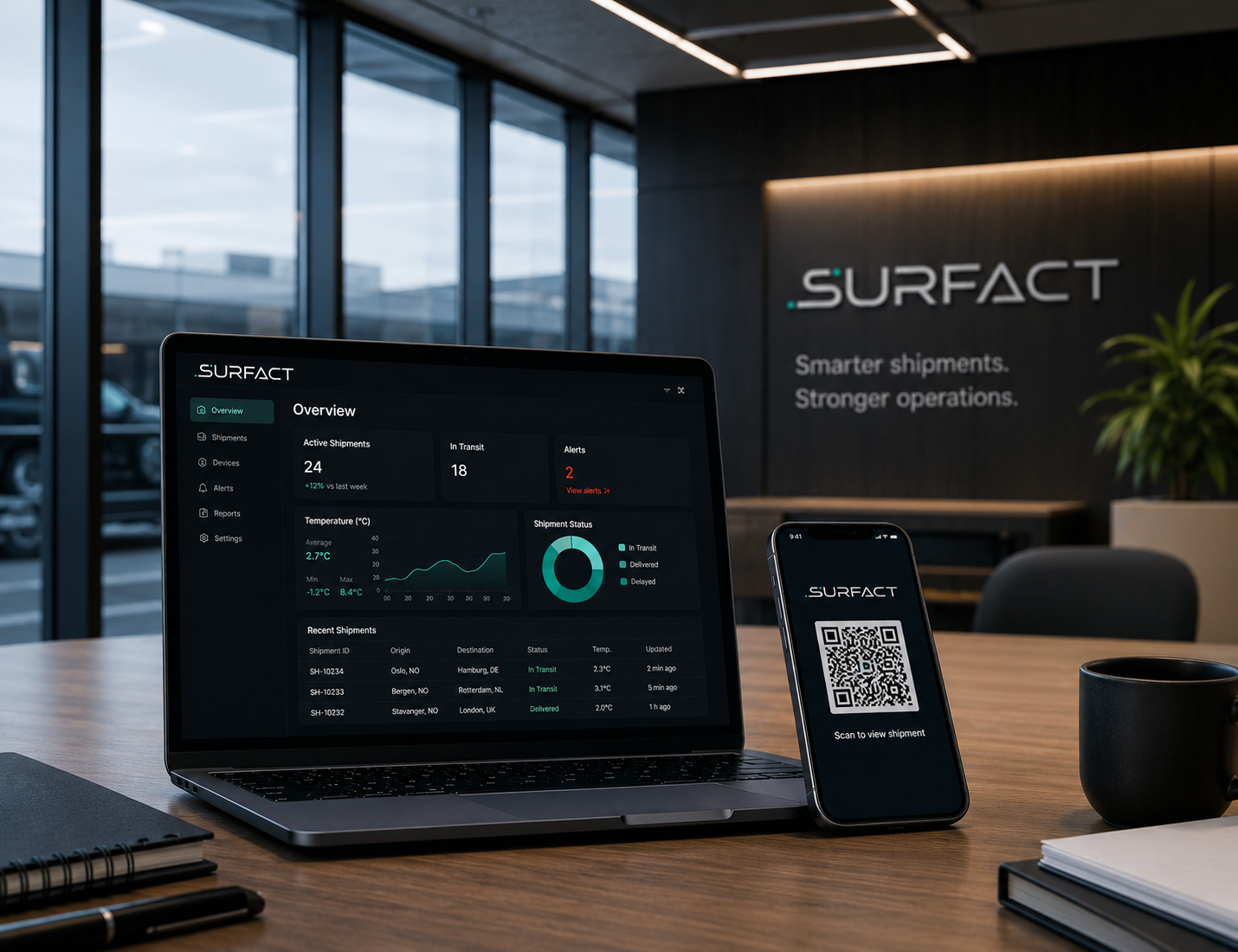
The future of cold chain: real-time visibility, zero waste
Cold chain monitoring is shifting from a paper trail into a live nervous system for the supply chain. The direction of travel is clear: from after-the-fact records toward real-time intervention, from isolated data toward analytics that predict failures before they happen, and from disposable hardware toward circular, sustainable devices that do not trade one kind of waste for another.
The organisations that win will be the ones that treat temperature data not as a compliance chore but as a source of continuous improvement, and that refuse to accept that protecting product has to cost the planet.
That is the future Surfact is building. We make your cargo talk, so it never spoils in silence.
Frequently asked questions
The continuous tracking of temperature for vaccines from manufacture through storage, transport and administration. Most vaccines must stay within a narrow range, commonly 2–8 °C, with some frozen formulations requiring far colder conditions, and even brief excursions can render them ineffective. Monitoring provides the documented proof that a vaccine remained safe and potent every step of the way.
Food cold chain monitoring tracks temperature across the journey of perishable food, from processing and cold storage through transport to retail. It protects food safety and shelf life, and supplies the records needed to meet regulations such as HACCP and FSMA.
A data logger records temperature to the device and reveals it only when downloaded, usually on arrival. A real-time tracker transmits readings live to a dashboard throughout the journey, so you can respond while the shipment can still be saved. Data loggers document; real-time trackers let you intervene.
Yes, significantly. Because so much spoilage happens undetected in transit and storage, catching an excursion early often means recovering product that would otherwise be destroyed. And since spoiled goods carry all the embedded water, energy and emissions of their production, preventing spoilage is one of the most carbon-efficient improvements a supply chain can make.
Surfact designs, engineers and manufactures its temperature monitoring devices in Norway from recycled ocean plastic, paired with a live dashboard and open API. You get real-time visibility and audit-ready compliance from hardware that reduces ocean waste instead of adding to landfill.
Ready to make your cargo talk?
Talk to Surfact about real-time, sustainable cold chain monitoring built for your routes and your regulations.